Wednesday, June 17, 2020

Important facts everybody needs to know about their teeth

Kami Hoss DDS has indeed kept himself busy during the global health crisis that has gripped the world. He has continued to write and release a series of blogs to help inform and educate his patients as well as readers everywhere on the finer points of oral care.

Image Source: webmd.com

Image Source: medicaldaily.com

For today, Dr. Hoss explores three important facts that everybody needs to know about their teeth that may very well impact the oral health of people for the better.

Teeth color and health
People can see in toothpaste ads everywhere that whiter teeth equate to healthier teeth. The truth about this is that whiter teeth are more aesthetically pleasing, and that's about it. Science has shown that whiter teeth don't necessarily translate to stronger teeth. There are several reasons teeth become less white, such as aging, diet, and sometimes injury. All these don't mean that teeth become weaker.

Brushing and bleeding gums
People think that brushing bleeding gums could lead to more serious problems. Dr. Kami Hoss explains that the truth is the opposite. Bleeding gums may be a sign of conditions such as inflammation or gingivitis. Brushing them may get rid of the bacteria and plaque that are causing these conditions.

The importance of flossing

Kami Hoss explains that people who don't floss are making a huge mistake. Flossing can clean parts of the mouth that brushing cannot. Studies have shown that flossing can clean up to a third of the entire mouth, which brushes can't reach.

A sought-after author, consultant, inventor, and speaker in the fields of dentistry and business, Kami Hoss, MS, DDS, has written articles published in numerous professional and community journals and publications and has been asked to appear on many news organizations' TV segments to discuss a variety of topics. Visit this blog for similar reads.

Monday, May 18, 2020

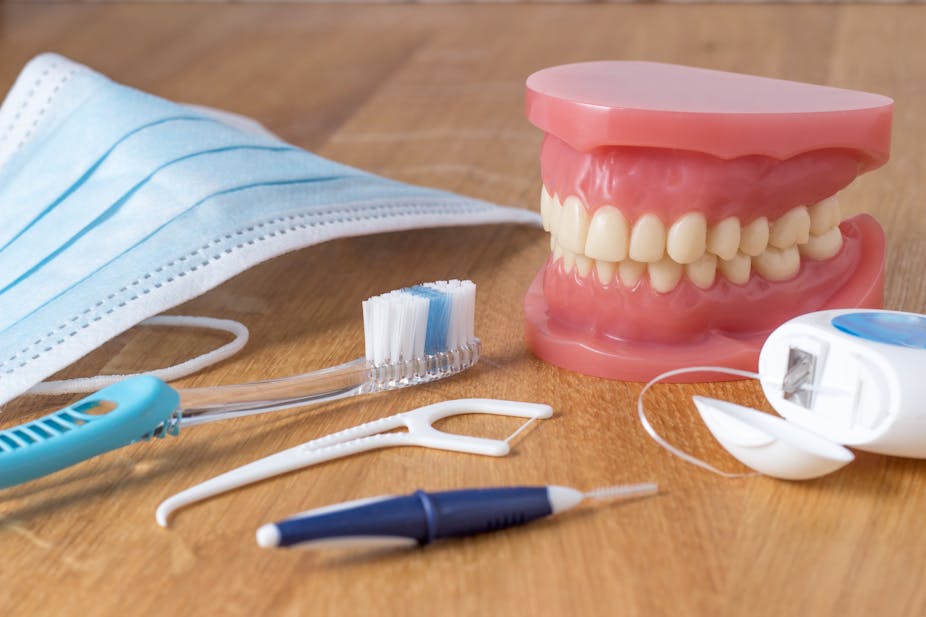
Oral hygiene tips during COVID-19

With almost everyone locked up in their homes to prevent the spread of COVID-19, getting one’s teeth checked and cleaned by a dentist may be challenging, if at all, necessary. Dr. Kami Hoss offers some oral hygiene tips to keep plaque and other dental issues at bay while many dental clinics
Image source: theconversation.com

Image source: dentistry.uic.edu

Proper oral hygiene must be practiced at all times. However, during COVID-19 pandemic, everyone may have to add a few more steps to their dental health routine. Store toothbrushes as far from the toilet as possible. Studies suggest that the novel coronavirus can be spread through fecal matter. Close the toilet bowl lid before flushing to prevent the spray from flying out of the toilet.

Change brushes regularly. Toothbrushes must only be used for three months, with some not even lasting that long. Doing this prevents the spread of bacteria and provides better cleaning. Dentists recommend to brush at least twice a day and floss once daily to keep the teeth and gums healthy while most dentist offices are closed. A key component of the immune system is the oral microbiome. Gargle with mouthwashes with little to no alcohol content to not disrupt the health of the oral microbiome.

Kami Hoss, MS, DDS, reminds everyone to keep practicing basic oral hygiene. Aside from washing hands regularly, brushing at least twice daily helps in keeping one healthy. Drinking plenty of water and cutting down on sugary snacks and drinks keep the teeth and gums healthy, as well.

Kami Hoss, MS, DDS, is the CEO and co-founder of The Super Dentists. He is also the CEO of Acceledontics and Howard Healthcare Academy. He holds a master’s in craniofacial biology and a doctorate in dental surgery. To know more about Dr. Hoss, head over to this page.

Monday, April 27, 2020

Post-braces: Maintain dental alignment with these steps

Graduating from braces can be a relief for those who have worn the dental appliance for years. After multiple check-ups and adjustments, taking out these brackets shouldn't be the end of one's dental care. Dentists usually require their patients to wear retainers to protect the alignment of their teeth for up to a year. Kami Hoss, DDS, MS, shares some steps that will keep those pearly whites clean and aligned after braces.

Image source: Indiatimes.com

Image source: Yourdictionary.com
Brush teeth at least twice a day

It's important to keep up with a brushing habit especially after the braces have been removed. Dirt buildup can cause receding gums that can also affect the alignment of teeth. Brushing with a soft-bristled toothbrush is a basic but effective way to prevent teeth from shifting.

Clean retainers regularly

Retainers are required by most dentists for six months to a year to maintain dental alignment. However, most people forget to take off their retainers during mealtimes or even clean them regularly. Dr. Kami Hoss suggests washing removable retainers daily. Using lukewarm water and dish soap can wash away the debris that builds up during the day. Before soaking the retainers, it's best to ask dentists about the number of hours and the solution to be used to prevent damaging the retainers. One should also keep retainers case clean and dry to prevent bacteria.

Stay hydrated

A dry mouth can be a breeding ground for bacteria that can damage the teeth and gums. Drinking eight to ten glasses of water every day will keep the teeth strong and healthy, especially after treatment with braces.

Kami Hoss, MS, DDS, is the CEO of The Super Dentists, the largest pediatric dentistry and orthodontic practice in San Diego. He is also a sought-after author, consultant, inventor, and speaker in the fields of dentistry and business. For similar reads, click here.

Tuesday, January 14, 2020

An easy guide to disinfecting a toothbrush

Brushing the teeth is considered the most important step in ensuring oral health. However, according to Dr. Kami Hoss, most people forget to disinfect their toothbrushes. This step is crucial as a brush can be exposed to germs and dirt even when covered. Here is an easy guide to disinfecting a toothbrush.

Image source: Guardian.co.uk

Image source: Huffingtonpost.com
Washing: Be sure to wash hands before brushing the teeth. After brushing, clean the brush to make sure that no toothpaste or debris remains on the bristles. Don't forget to clean the handle and the back.

Soaking: Dental professionals like Dr. Kami Hoss suggest soaking toothbrushes overnight in mouthwash, baking soda, or hydrogen peroxide. These cleaning agents will keep dirt from building up and will also eliminate the bacteria in the toothbrush. Putting one to two teaspoons of one of these solutions in a cup of water is enough.

Drying: When it comes to drying toothbrushes, it's important to keep them away from each other. Sometimes it's better to leave them to air dry without a cover. It's also better to wash and dry the toothbrush covers. Experts suggest keeping brushes as far away from the toilet as possible. When storing them in a cup or a holder, it's important to keep the brush heads inches apart.

Dentists advise individuals to replace their toothbrush when it softens or shows signs of fraying. In case someone at home gets the flu or other viruses, it's important to keep their toothbrush away to prevent others from sickness. It's also best to dispose of contaminated brushes.

Kami Hoss, MS, DDS, is the CEO of The Super Dentists, the largest pediatric dentistry and orthodontic practice in San Diego. Dr. Hoss is also the chief executive of Acceledontics and Howard Healthcare Academy. Follow this blog for more on dental health.

Wednesday, November 20, 2019

Tooth extractions: When does one need to have their teeth pulled out?

With his extensive experience as a dental surgeon, Kami Hoss has helped countless of people with their dental problems over the years. On top of that, he educates and informs everyone on everything related to dentistry through his series of blogs.

Image source: wikimedia.org

Image source: physicsforceps.com
For today’s topic, Kami Hoss answers the question, “When does a person need to have his teeth extracted?”

The fact that humans only grow two sets of teeth in the lifetime means that the second set must be maintained thoroughly. Even if modern medicine has afforded people painless tooth extractions, dentists only perform the procedure as a last resort.

The most common reason people need tooth extractions is because the tooth in question has become damaged to the point that it can no longer be repaired. Sometimes, this happens through decay, and sometimes, through infection. Normally, extraction is straightforward, unless infection has spread throughout the surrounding tissue.

Another common reason for extraction is the existence of wisdom teeth, especially in cases wherein the jaw of the person is too short. Though the procedure is normally harmless, when there is a lack of space for wisdom teeth, the other teeth become impacted or worse, infected.

There are also circumstances wherein some teeth that emerge are simply too large (or, conversely, the jaws may be too short). This affects the alignment of the teeth. Kami Hoss notes that there are also instances in which people have more teeth than normal.

Kami Hoss, MS, DDS is the CEO and co-founder of The Super Dentists. He is also the CEO of Acceledontics and Howard Healthcare Academy. He holds a master’s degree in craniofacial biology and a doctorate in dental surgery. Visit this blog for more dental care tips.

Wednesday, September 18, 2019

When to consider dental braces

So you’ve got a couple of crooked teeth and a little overcrowding on the side of your mouth. Do you need to wear dental braces, especially if you’re no longer in your early teenage years and braces can affect the way you eat or your profession? Here are some general tips and advice from celebrated dentist and author Dr. Kami Hoss.

Image source: Pixabay.com

Image source: Pixabay.com
Dental braces are wire-based appliances used for correcting crowded as well as misaligned teeth or jaws. They’re usually recommended to improve orofacial appearance and address problems such as crowded teeth, overbites, underbites, and disorders of the jaw joints. For example, there’s too much space between teeth, or a jaw misalignment leads to an uneven bite.

While you can wear braces at any age, orthodontic issues are usually treated at an early age, or from ages 10 to 14 while the head and mouth are still growing, and teeth are more prone to straightening. Age shouldn’t deter you from getting dental braces, though, as you can use them to correct relevant problems and improve your smile.

As an adult, however, you may need to wear braces longer than a younger individual would, reminds Dr. Kami Hoss. This is because your facial bones are no longer growing, so there may be some issues that cannot be corrected through dental braces alone. Rest assured, however, that wearing braces is typically a very safe procedure with minimal short-term risks, such as tooth decay with failure to remove food deposits and plaque growth.

Kami Hoss, MS, DDS is the CEO of The Super Dentists, the largest pediatric dentistry and orthodontic practice in San Diego. He is also the chief executive officer ofAcceledontics and Howard Healthcare Academy. He is a sought-after author, consultant, inventor, and speaker in the fields of dentistry and business. Read more on this site.

Friday, August 16, 2019

Curiosity: The mother of invention and innovation

While many people believe that necessity is the mother of invention, others beg to disagree. Kami Hoss, MS, DDS, innovator and leader of The Super Dentists in San Diego, has over the years shown just how curiosity has led to creativity, and ultimately to creation.

Image source: Pixabay.com  

Image source: Pixabay.com  
The fact of the matter is a great number of things have been invented because of necessity, but without curiosity, the greatest minds in history would remain stumped. Sure, inventions often address problems that need to be solved, but how to solve them remains the avenue for the inquisitive.

Take for instance the greatest inventor of all time, Leonardo da Vinci. His inventions were born from his own curiosity and yearning to learn more about the physical world. In fact, even way before da Vinci’s time, people were curious as to how to make their lives more convenient. From the invention of fire and weapons to the wheel and civilization itself, most of these started with people being curious and wanting to learn more.

Curiosity is also a source of inspiration, explains Kami Hoss, MS, DDS. When a person is faced with the unknown, he develops the need to explore it. When it comes to inventors, many of them started off with the question, “What if…?” -- and many of them changed the world.

Kami Hoss, MS, DDS, is a man of many skills and expertise. He holds a master ’s in craniofacial biology and a doctorate in dental surgery. Dr. Hoss also served as an associate professor at the University of Southern California’s Orthodontics Department. If you want to read more about oral health and hygiene, visit this blog.