Showing posts with label teeth. Show all posts

Monday, November 29, 2021

Protecting teenage teeth: A few important reminders

Image source: Pixabay.com

According to Dr. Kami Hoss, DDS, good dental hygiene is crucial during the teenage years. Along with its role in socialization, good dental hygiene is also a must to avoid dental decay, which is one of the most common chronic issues in young people from ages 5 to 17.

In today’s blog, Dr. Kami Hoss, DDS, gives a quick review on keeping your teeth and gums healthy as a teen.

Always practice wearing a mouth guard during contact sports.

Oral injuries can be the result of contact sports, so to prevent them, try wearing a mouth guard while playing. Mouth guards can be custom-fitted by a dentist or bought ready-made at a nearby store. People should also keep it clean through regular cleaning.

Always eat healthy.

Image source: Pixabay.com 


Teens are prone to snacking on sweet treats and nutrition bars in between school activities and their social life. According to Dr. Kami Hoss, DDS, they should instead stick to healthier alternatives such as vegetable sticks and pure, clear water, and do away with sodas and sweet beverages. Acidic foods and fizzy drinks are bad news, as they cause dental erosion as well.

Avoid cigarettes and alcohol.

Smoking is bad for people’s health for many reasons. One of them is that it leads to stained teeth, gum disease, as well as tooth loss. Both smoking and alcohol drinks can cause mouth cancer, as well, Dr. Kami Hoss, DDS, adds.

Kami Hoss, DDS, is the CEO of The Super Dentists, the largest pediatric dentistry and orthodontic practice in San Diego. He is also the chief executive of Acceledontics and Howard Healthcare Academy. Read more on this site.

Monday, May 18, 2020

Oral hygiene tips during COVID-19

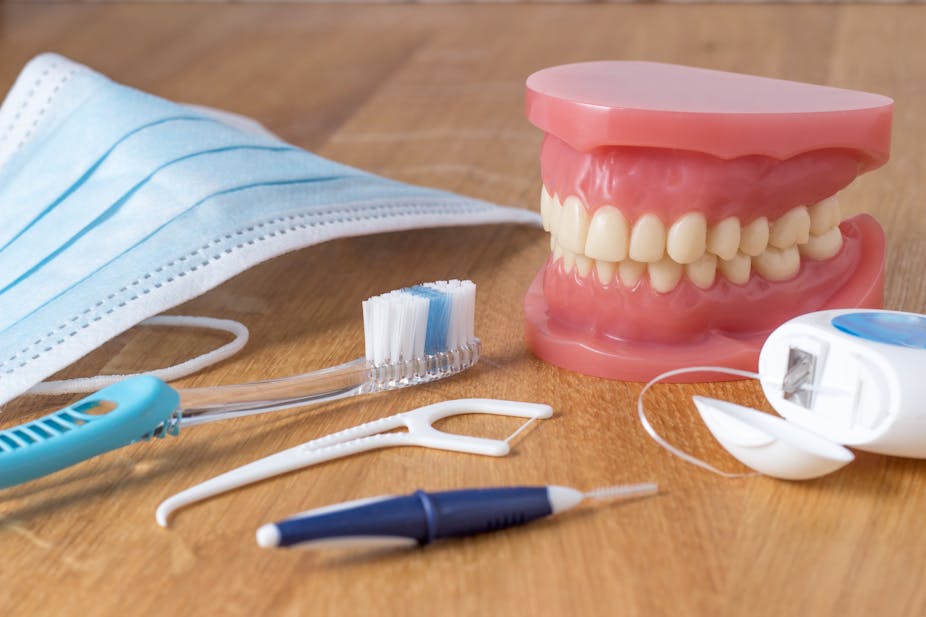
With almost everyone locked up in their homes to prevent the spread of COVID-19, getting one’s teeth checked and cleaned by a dentist may be challenging, if at all, necessary. Dr. Kami Hoss offers some oral hygiene tips to keep plaque and other dental issues at bay while many dental clinics
Image source: theconversation.com

Image source: dentistry.uic.edu

Proper oral hygiene must be practiced at all times. However, during COVID-19 pandemic, everyone may have to add a few more steps to their dental health routine. Store toothbrushes as far from the toilet as possible. Studies suggest that the novel coronavirus can be spread through fecal matter. Close the toilet bowl lid before flushing to prevent the spray from flying out of the toilet.

Change brushes regularly. Toothbrushes must only be used for three months, with some not even lasting that long. Doing this prevents the spread of bacteria and provides better cleaning. Dentists recommend to brush at least twice a day and floss once daily to keep the teeth and gums healthy while most dentist offices are closed. A key component of the immune system is the oral microbiome. Gargle with mouthwashes with little to no alcohol content to not disrupt the health of the oral microbiome.

Kami Hoss, MS, DDS, reminds everyone to keep practicing basic oral hygiene. Aside from washing hands regularly, brushing at least twice daily helps in keeping one healthy. Drinking plenty of water and cutting down on sugary snacks and drinks keep the teeth and gums healthy, as well.

Kami Hoss, MS, DDS, is the CEO and co-founder of The Super Dentists. He is also the CEO of Acceledontics and Howard Healthcare Academy. He holds a master’s in craniofacial biology and a doctorate in dental surgery. To know more about Dr. Hoss, head over to this page.

Wednesday, September 18, 2019

When to consider dental braces

So you’ve got a couple of crooked teeth and a little overcrowding on the side of your mouth. Do you need to wear dental braces, especially if you’re no longer in your early teenage years and braces can affect the way you eat or your profession? Here are some general tips and advice from celebrated dentist and author Dr. Kami Hoss.

Image source: Pixabay.com

Image source: Pixabay.com
Dental braces are wire-based appliances used for correcting crowded as well as misaligned teeth or jaws. They’re usually recommended to improve orofacial appearance and address problems such as crowded teeth, overbites, underbites, and disorders of the jaw joints. For example, there’s too much space between teeth, or a jaw misalignment leads to an uneven bite.

While you can wear braces at any age, orthodontic issues are usually treated at an early age, or from ages 10 to 14 while the head and mouth are still growing, and teeth are more prone to straightening. Age shouldn’t deter you from getting dental braces, though, as you can use them to correct relevant problems and improve your smile.

As an adult, however, you may need to wear braces longer than a younger individual would, reminds Dr. Kami Hoss. This is because your facial bones are no longer growing, so there may be some issues that cannot be corrected through dental braces alone. Rest assured, however, that wearing braces is typically a very safe procedure with minimal short-term risks, such as tooth decay with failure to remove food deposits and plaque growth.

Kami Hoss, MS, DDS is the CEO of The Super Dentists, the largest pediatric dentistry and orthodontic practice in San Diego. He is also the chief executive officer ofAcceledontics and Howard Healthcare Academy. He is a sought-after author, consultant, inventor, and speaker in the fields of dentistry and business. Read more on this site.

Friday, November 2, 2018

Top mouth rinsing tips from dentists

Image source: Pixabay.com
 Mouth rinsing is serious business. It’s not just a way to freshen your breath, but also a technique to keep your teeth and gums healthy in the long term. Here are some tips on using mouthwash and swishing the bad stuff away. Use the best techniques: It doesn’t matter if mouth rinsing comes before brushing and flossing or after. Do it for 30 to 60 seconds – more than a minute is likely more than enough. Remember that it might take a couple of weeks to see results, whether your mouthwash promises teeth whitening or help against bleeding gums.

It’s not a magic bullet for bad breath: Some mouthwashes only provide a fresh feeling instead of actually curing bad breath. If you are having serious bad breath issues, try to determine the cause rather than simply mask it. Discuss the problem with your dentist.

Image source: Pixabay.com
Look at the ingredient list: A high alcohol content can lead to a burning sensation in your gums, mouth, and cheeks so you might want to try an alcohol-free mouthwash to avoid this. Mouthwash with fluoride also helps in the fight against cavities. Mouthwashes claiming to kill plaque and gingivitis, too, should have anti-microbial properties that temporarily slash the amount of bacteria in your mouth.

Read the label: Look for a product with an American Dental Association (ADA) seal on the label. Some organic or natural mouth rinses also have the ADA seal.

Don’t give it to kids younger than 6: These children might not have a good grasp of “swish and spit” and could suffer an upset stomach if they swallow too much mouthwash.

Kami Hoss, MS, DDS, is the CEO of The Super Dentists, the largest pediatric dentistry and orthodontic practice in San Diego. He is also a sought-after author, consultant, inventor, and speaker in the fields of dentistry and business. For similar reads, click here.

Tuesday, August 28, 2018

The Difference Between a Dentist And An Orthodontist

Many people get confused as to makes a dentist different from an orthodontist. This bewilderment is understandable because both deal with the teeth and are both doctors. Receiving the right treatment from the right dental professional is vital to keep one’s teeth and mouth in perfect health.

Both dentists and orthodontists focus on oral care. Dentists and orthodontists have undergone five years of education to obtain a degree in dental surgery. However, orthodontists spend three more years to earn the title of master of orthodontics.

Image source: aus-bizlist.com

The differences lie in the way the two professionals provide oral care and deal with teeth and gums. Orthodontics is a branch of dentistry that places emphasis on strengthening the teeth and ensuring a person’s jaws are appropriately aligned. Orthodontists can practice in a dental office and deliver the same care as a dentist. Patients may be referred to an orthodontist by their dentist if they have an overbite. Orthodontists will be the ones to treat patients and improve their bite, (such as misaligned teeth, crowded teeth, overbite, and underbite) having them fitted for corrective braces and devices.

Image source: pixabay.com

Dentists normally encourage good oral hygiene. They provide services that relate to tooth decay, root canals, gum disease, bridges, crowns, veneers, and teeth whitening. Dentists are the ones in charge of doing general six-month checkups, providing treatments for fillings and extractions, and cleaning and polishing. Braces and Invisalign may be fitted by general dentists. However, they are not experts in the field of orthodontics.

Kami Hoss MS, DDS, is a sough-after author, consultant, inventor, and speaker in the fields of dentistry and business. He is the co-founder and CEO of The Super Dentists. For similar updates, click here.